
Get Plant Bed Mulching in Lakeville, MN
Plant bed mulching services for Lakeville, MN help property owners prevent weeds, retain soil moisture, and improve garden appearance through professional mulch installation and maintenance.
Plant bed mulching services are a practical addition to many property maintenance plans in Lakeville, MN. Proper mulching can help improve the appearance of garden beds, suppress weeds, and protect plant roots from temperature fluctuations. For property owners planning landscaping projects or seeking to enhance their outdoor spaces, connecting with experienced local contractors can ensure the job is done effectively and efficiently, tailored to the specific needs of the area’s climate and soil conditions.
Exploring options among nearby service providers allows property owners to compare different approaches and find solutions that best suit their landscape goals. Whether maintaining existing beds or preparing new planting areas, working with local professionals can provide valuable insights and reliable results. Keep reading to learn more about how local contractors can assist with plant bed mulching and help achieve a healthy, attractive outdoor environment.
- Plant Bed Mulching - needed when creating a fresh, tidy appearance for flower beds in neighborhoods around Lakeville, MN.
- Plant Bed Mulching - suitable for homeowners looking to reduce weed growth and improve soil moisture retention in Eden Prairie, MN.
- Plant Bed Mulching - ideal for those preparing garden areas in suburban areas of St. Paul, MN for the upcoming planting season.
- Plant Bed Mulching - recommended when maintaining landscaped areas in the residential communities of Burnsville, MN.
- Plant Bed Mulching - necessary for revitalizing tired-looking garden beds in the commercial districts of Minnetonka, MN.
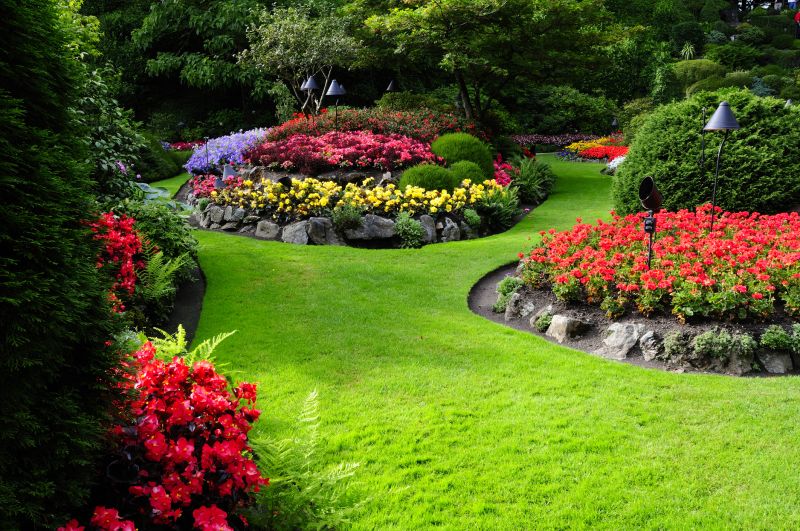
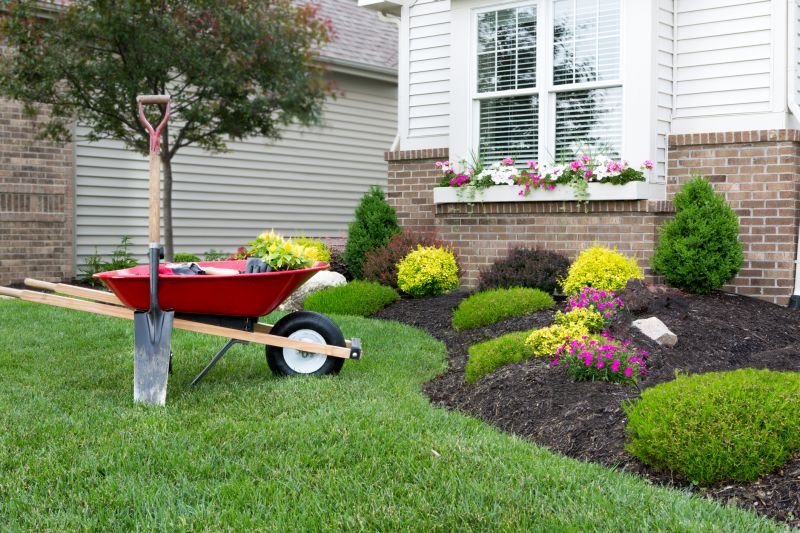
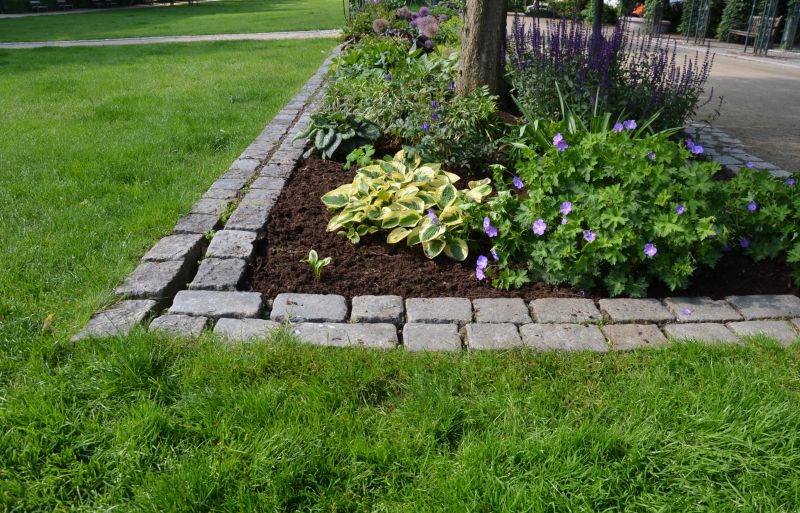
Plant bed mulching services involve applying a layer of mulch around trees, shrubs, and flower beds to improve the overall appearance and health of landscaped areas. This process typically includes spreading organic or inorganic materials such as wood chips, bark, or gravel evenly across the soil surface. The goal is to create a neat, uniform look while providing a protective barrier that helps retain soil moisture, regulate temperature, and suppress weed growth. Many property owners choose mulching as a way to enhance their landscape’s visual appeal and promote healthier plant growth with minimal ongoing effort.
One of the primary issues mulching addresses is weed control. Weeds can quickly overtake garden beds, competing with desirable plants for nutrients, water, and sunlight. Mulch acts as a physical barrier that makes it more difficult for weeds to germinate and grow. Additionally, mulching helps conserve soil moisture by reducing evaporation, which is especially beneficial during dry spells or hot summer months. It can also prevent soil erosion on sloped areas and protect plant roots from temperature fluctuations, creating a more stable environment for plants to thrive.
Mulching services are commonly used on residential properties, particularly those with flower beds, vegetable gardens, or landscaped front yards. They are also popular among homeowners who want to reduce the frequency of watering and weed removal, making garden maintenance more manageable. Commercial properties, community parks, and outdoor recreational spaces may also utilize mulching to maintain a tidy appearance and protect plantings in high-traffic areas. These services are suitable for properties of all sizes, from small residential gardens to larger estate landscapes, where a well-maintained, attractive outdoor space is a priority.
Homeowners often turn to mulching services when planting new beds, refreshing existing landscaping, or preparing for seasonal changes. Mulch can give a garden a clean, finished look and help plants establish more quickly by maintaining consistent soil conditions. It is also a practical choice for those seeking to reduce ongoing maintenance tasks and improve the overall health of their garden beds. Service providers can recommend the appropriate type of mulch based on the specific needs of the property, ensuring that the landscape remains attractive and functional throughout the year.
The overview below groups typical Plant Bed Mulching projects into broad ranges so you can see how smaller, mid-sized, and larger jobs often compare in Lakeville, MN.
In many markets, a large share of routine jobs stays in the lower and middle ranges, while only a smaller percentage of projects moves into the highest bands when the work is more complex or site conditions are harder than average.
Small Bed Mulching - For simple landscaping projects around Lakeville, local contractors typically charge between $250 and $600. Many routine jobs fall within this range, covering mulching of flower beds or small garden areas.
Medium-Sized Projects - Larger beds or multiple areas usually cost between $600 and $1,200. These projects often involve more extensive preparation and higher-quality mulch materials, with many projects landing in this middle range.
Large or Complex Jobs - For extensive landscaping or multiple large beds, costs can range from $1,200 to $3,000. Fewer projects reach into this higher tier, which often includes additional site prep or premium mulch options.
Full Bed Replacement - Complete overhaul of garden beds with new mulch and soil replacement can exceed $3,000, with larger, more complex projects reaching $5,000 or more. These are less common but are handled by local pros for comprehensive landscape updates.
Actual totals will depend on details like access to the work area, the scope of the project, and the materials selected, so use these as general starting points rather than exact figures.
Garden Bed Edging - local contractors who install garden borders often use similar planning and tools as those for mulching, ensuring a clean and defined landscape.
Landscape Planting - professionals planting shrubs and flowers in beds share skills in soil preparation and site assessment relevant to mulching projects.
Yard Clean-Up Services - clearing debris and preparing outdoor spaces involves similar attention to detail and equipment used in mulching jobs.
Soil Amendment and Fertilization - these services require knowledge of soil conditions and materials, aligning with the planning involved in bed mulching.
Irrigation System Installation - setting up watering systems involves landscape planning and equipment handling comparable to mulching preparations.
Landscape Design Consultation - designing outdoor spaces often includes planning mulching areas, requiring an understanding of plant beds and aesthetic layout.
When comparing contractors for plant bed mulching services in Lakeville, MN, it’s helpful to consider their experience with similar projects. Homeowners should look for local service providers who have a proven track record of working on garden beds and landscaping projects comparable to their own. Asking about the types of properties they’ve serviced and the scope of past work can provide insight into their familiarity with different soil types, plantings, and bed designs, ensuring that the chosen contractor understands the specific needs of the area.
Clear, written expectations are essential for a successful mulching project. Homeowners should seek service providers who can provide detailed descriptions of their process, including the types of mulch used, preparation steps, and any additional services offered. Having these details in writing helps prevent misunderstandings and ensures that both parties are aligned on the project’s scope and outcomes. It’s also beneficial to clarify what the contractor will deliver and what responsibilities fall to the homeowner, creating a transparent foundation for the work.
Reputable references and effective communication are key factors when selecting local contractors. Homeowners are encouraged to ask for references from past clients or examples of completed projects in the area. Good communication-prompt responses, clear explanations, and a willingness to answer questions-can make the process smoother and more predictable. While the site introduces homeowners to local options, it’s important to remember that the actual work will be handled by experienced service providers who can meet these criteria, helping ensure a positive mulching experience.
Property owners in Lakeville, MN use Plant Bed Mulching services for practical projects around their homes and businesses. This guide focuses on everyday jobs and straightforward project options.
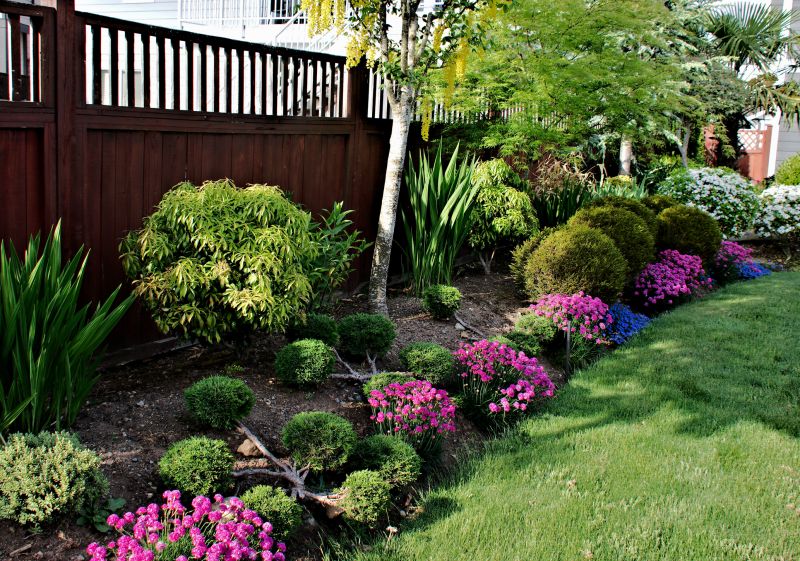
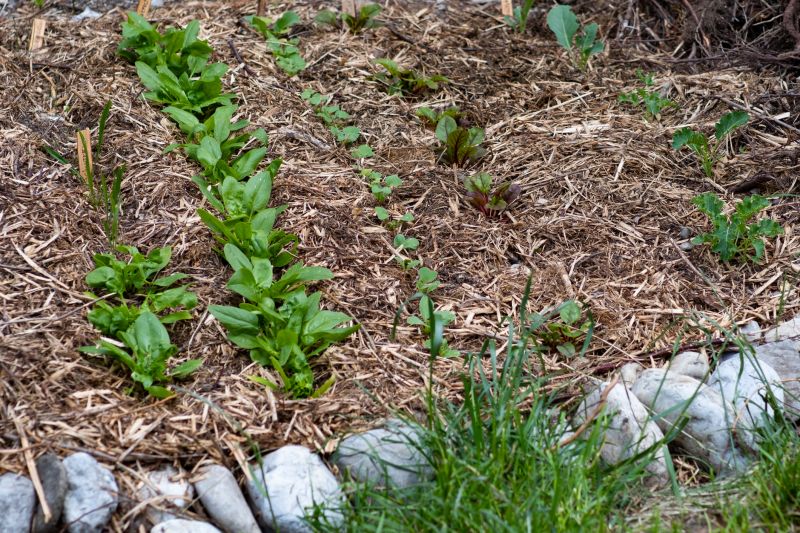
Property owners in Lakeville, MN often seek plant bed mulching services to improve the appearance and health of their gardens and landscape beds. Whether preparing for the growing season or refreshing tired-looking areas, many residents look for local contractors who can evenly distribute mulch to help suppress weeds, retain soil moisture, and give their yards a tidy, well-maintained look. These services are commonly needed after planting new flowers or shrubs, or simply as part of routine yard care to keep outdoor spaces looking attractive and organized.
Additionally, homeowners may turn to local service providers for mulching to protect plant roots during the colder months or to reduce yard maintenance efforts. Mulching can also be a practical solution when dealing with soil erosion or uneven terrain around property features. In Lakeville, MN, many property owners rely on experienced contractors to handle these projects efficiently, ensuring their landscape beds stay healthy and visually appealing throughout the seasons.
What are the benefits of mulching a plant bed? Mulching helps retain soil moisture, suppress weeds, and improve the overall appearance of garden beds, making them easier to maintain.
What types of mulch do local contractors typically use for plant beds? Common options include organic mulches like wood chips, bark, and straw, as well as inorganic mulches such as gravel or rubber, depending on the specific needs of the garden.
How can mulching improve plant health? Mulching helps regulate soil temperature and retain moisture, which can promote healthier plant growth and reduce stress on plants during hot or dry periods.
What should I consider when choosing mulch for my plant beds? Consider factors like the type of plants, desired appearance, and maintenance requirements to select the most suitable mulch material for your garden.
How do local service providers typically prepare a bed before mulching? They usually clear away weeds and debris, loosen the soil if needed, and apply an even layer of mulch to ensure proper coverage and effectiveness.
Garden Bed Maintenance - Mulching helps retain moisture and suppress weeds, making it easier to keep flower beds tidy and healthy.
Seasonal Landscaping Projects - Adding mulch during spring or fall can enhance the appearance of planting areas and protect roots from temperature fluctuations.
Erosion Control - Mulch can be spread on slopes or uneven ground to prevent soil erosion and improve stability around garden features.
Pathway and Border Enhancement - Using mulch along walkways and garden borders creates a clean, finished look and defines outdoor spaces effectively.
If you are thinking about Plant Bed Mulching for a property in Lakeville, MN, this guide is meant to help you understand the work, the typical project types, and how different options might fit your plans.
When you are ready, you can use the quote form on this page to share a few details about your project. From there, local pros can review the basics and respond with options that match what you have in mind.